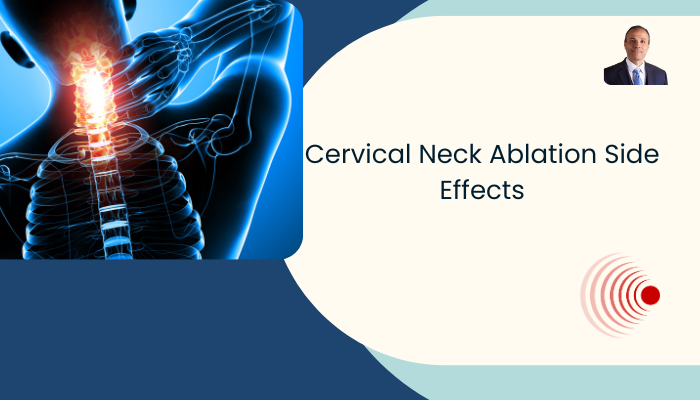
Cervical Neck Ablation Side Effects
Living with chronic neck pain can feel exhausting. Simple movements like turning your head or sitting at your desk may become uncomfortable. For many patients, cervical neck ablation offers real relief when other treatments fail. But like any medical procedure, it is natural to wonder about possible side effects and what recovery looks like.
Dr. Mohamed El Toukhy believes that informed patients feel more confident and prepared. This piece of blog will walk you through the potential side effects, what to expect during healing, and how the right care can make all the difference.
What is Cervical Neck Ablation?
Cervical neck ablation, also known as radiofrequency ablation (RFA), is a minimally invasive procedure. It uses controlled heat to target specific nerves in the neck that are responsible for transmitting pain signals.
By interrupting these signals, patients often experience significant pain relief.
What do studies reveal? |
Common side effects after Cervical Neck Ablation
Most patients tolerate the procedure very well. However, some temporary side effects are expected as your body heals.
1. Mild pain or discomfort
It is common to feel soreness around the treated area. This can last for a few days to a couple of weeks.
What helps:
Dr. Toukhy recommends cold compresses, gentle movements, and prescribed medications to ease discomfort.
2. Swelling and bruising
You may notice slight swelling or bruising near the injection site. This is part of the natural healing process.
What helps:
Rest and avoiding strain on the neck usually allow the area to settle quickly.
3. Temporary numbness or tingling
Some patients report numbness or a tingling sensation. These nerve ablation side effects occur because nearby nerves are temporarily irritated.
What helps:
This typically resolves on its own. Dr. Toukhy closely monitors such symptoms to ensure they improve as expected.
4. Muscle spasms
Occasional muscle tightness or spasms can occur as the body adjusts.
What helps:
Gentle physiotherapy and stretching exercises can reduce stiffness and restore comfort.

Less common but notable side effects
While rare, it is important to be aware of less common complications.
1. Infection
As with any minimally invasive procedure, there is a small risk of infection.
Prevention and care:
Dr. Toukhy follows strict sterile protocols, and patients are guided on proper aftercare to minimize this risk.
2. Nerve irritation
In some cases, treated nerves may become irritated, leading to temporary increased pain.
What helps:
This is usually short-lived. Anti-inflammatory medications and follow-up care help manage symptoms effectively.
3. Allergic reaction
Reactions to medications or anesthetics are rare but possible.
What helps:
A detailed pre-procedure evaluation ensures that any risks are identified early.
Radiofrequency Ablation side effects long-term
Many patients ask about radiofrequency ablation side effects long-term. The good news is that serious long-term complications are uncommon.
However, a few points to keep in mind:
- Nerves can regenerate over time, which means pain may return after several months or years
- Some patients may need repeat procedures
- Rarely, prolonged numbness or sensitivity may occur
Dr. Toukhy ensures long-term follow-up to track progress and intervene early if symptoms return.
How long do radiofrequency ablation side effects last?
A common concern is: How long do radiofrequency ablation side effects last?
Here is a general timeline:
- First 3–5 days: Mild soreness and swelling
- 1–2 weeks: Gradual improvement in discomfort
- 3–6 weeks: Noticeable pain relief begins for many patients
Full cervical neck ablation recovery varies, but most patients resume normal activities within a week, with continued improvement over time.
How Dr. Mohamed El Toukhy minimizes side effects?
What truly sets your experience apart is the expertise behind the procedure. Dr. Mohamed El Toukhy focuses on precision, safety, and patient comfort at every step.
Personalized assessment
Each patient undergoes a detailed evaluation to confirm that cervical neck ablation is the right choice.
Advanced imaging guidance
Using real-time imaging ensures accurate targeting of nerves, reducing the risk of unnecessary tissue irritation.
Tailored aftercare plan
Recovery does not end after the procedure. Dr. Toukhy provides a structured plan that may include:
- Pain management strategies
- Physiotherapy recommendations
- Lifestyle guidance to support healing
Continuous follow-up
Regular follow-ups help track your progress and address any concerns early. This proactive care significantly reduces complications.
Tips for a smoother recovery
Patients can actively support their healing process by following simple steps:
- Avoid heavy lifting for a few days
- Maintain good posture
- Stay hydrated
- Follow prescribed medications carefully
- Attend all follow-up appointments
These small efforts can make your cervical neck ablation recovery faster and more comfortable.
When should you contact your doctor?
While most side effects are mild, you should reach out to your doctor if you notice:
- Persistent or worsening pain
- Signs of infection (redness, fever, discharge)
- Severe numbness or weakness
Early attention ensures quick resolution and peace of mind.
A thoughtful step toward pain relief
Choosing cervical neck ablation is not just about reducing pain; it is about reclaiming your quality of life. Understanding possible nerve ablation side effects helps you move forward with clarity and confidence.
Get the right guidance for Cervical Neck Ablation side-effects at Dr. Mohamed El Toukhy’s
If chronic neck pain is limiting your daily life, you do not have to manage it alone. With a strong cervical radiofrequency ablation success rate and expert care, this treatment offers a reliable path toward relief.
However, understanding and managing side effects becomes much easier when you have the right expert by your side.
At Dr. Mohamed El Toukhy’s practice, every patient receives clear guidance, attentive follow-up, and personalized care to ensure a smooth and comfortable recovery. If you are considering cervical neck ablation or have concerns about its after-effects, seeking the right support can make all the difference.
Dr. Toukhy combines clinical precision with a compassionate approach to ensure your journey is safe, smooth, and effective.
Schedule your consultation today and move forward with confidence toward lasting neck pain relief.
Quick FAQs
Neck ablation is generally safe, but some patients may experience temporary soreness, swelling, or bruising at the treatment site. In rare cases, there can be infection, nerve irritation, or prolonged numbness. These issues are usually manageable and improve with proper medical care and follow-up.
- Over time, the treated nerves can regenerate. When this happens, pain signals may gradually return. The timeline varies from person to person, often taking several months to over a year. If needed, the procedure can be repeated to restore pain relief.
- Post-procedure discomfort is common because the treated nerves and surrounding tissues may become temporarily inflamed. This can lead to mild pain or stiffness for a few days. As healing progresses, the irritation settles, and pain relief begins to develop.
After the procedure, you may notice mild soreness, slight swelling, or a tingling sensation in the neck. Most people return to daily activities within a few days. Pain relief is not always immediate and may take a few weeks to become noticeable, with gradual improvement over time.
Related Blogs

Cervical Neck Ablation Side Effects
Cervical Neck Ablation Side Effects Living with chronic neck pain
Radiofrequency ablation for Lumbar facet joint pain
Radiofrequency ablation for Lumbar facet joint pain Lower back pain

Mapping Your Pain: Why a Detailed Plan Diary is Your Best Diagnostic Tool for Migraine Triggers
Mapping Your Pain: Why a Detailed Plan Diary is Your
